Acne Treatment
in Bengaluru
What is acne, and why does it happen?
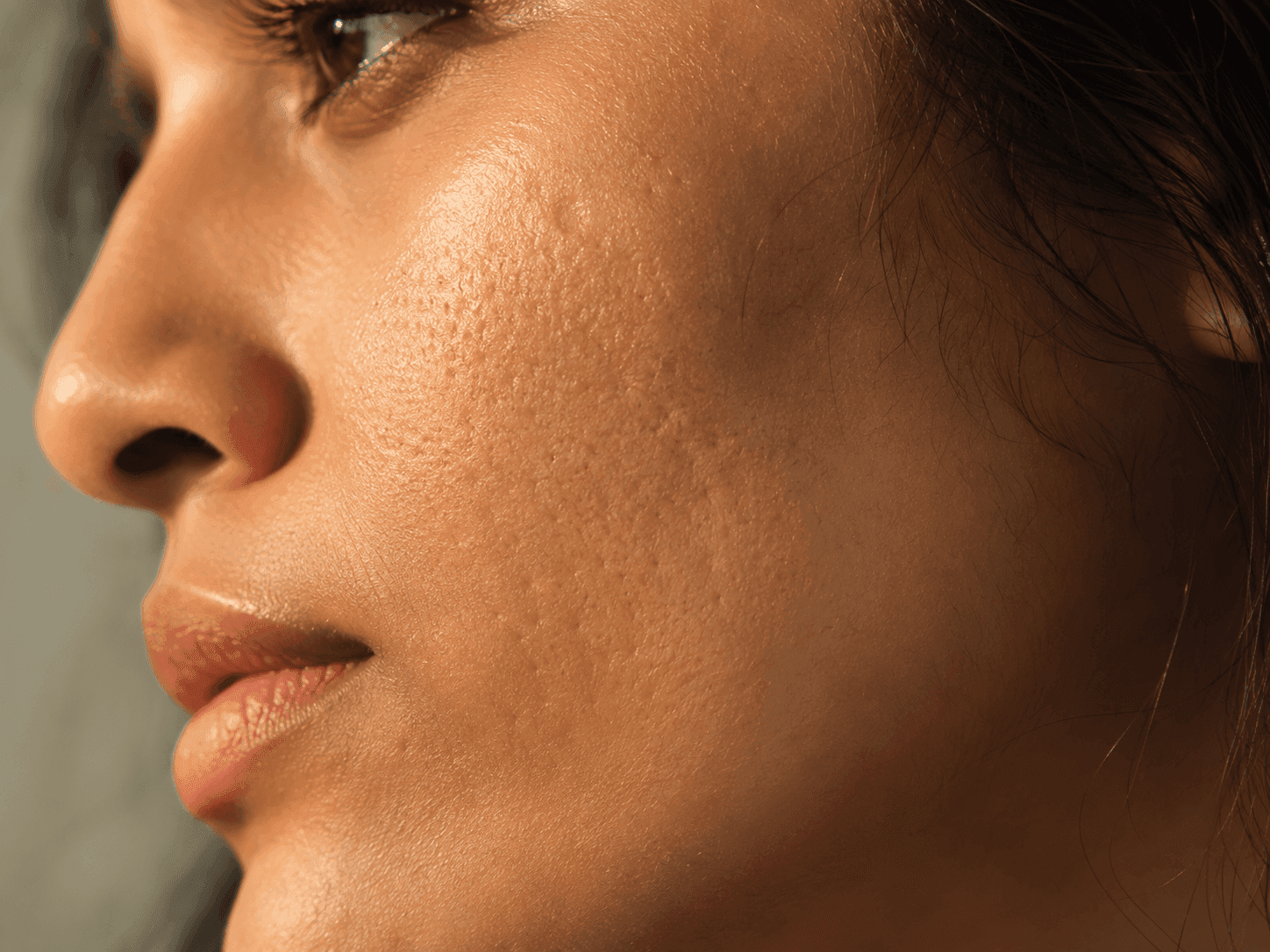
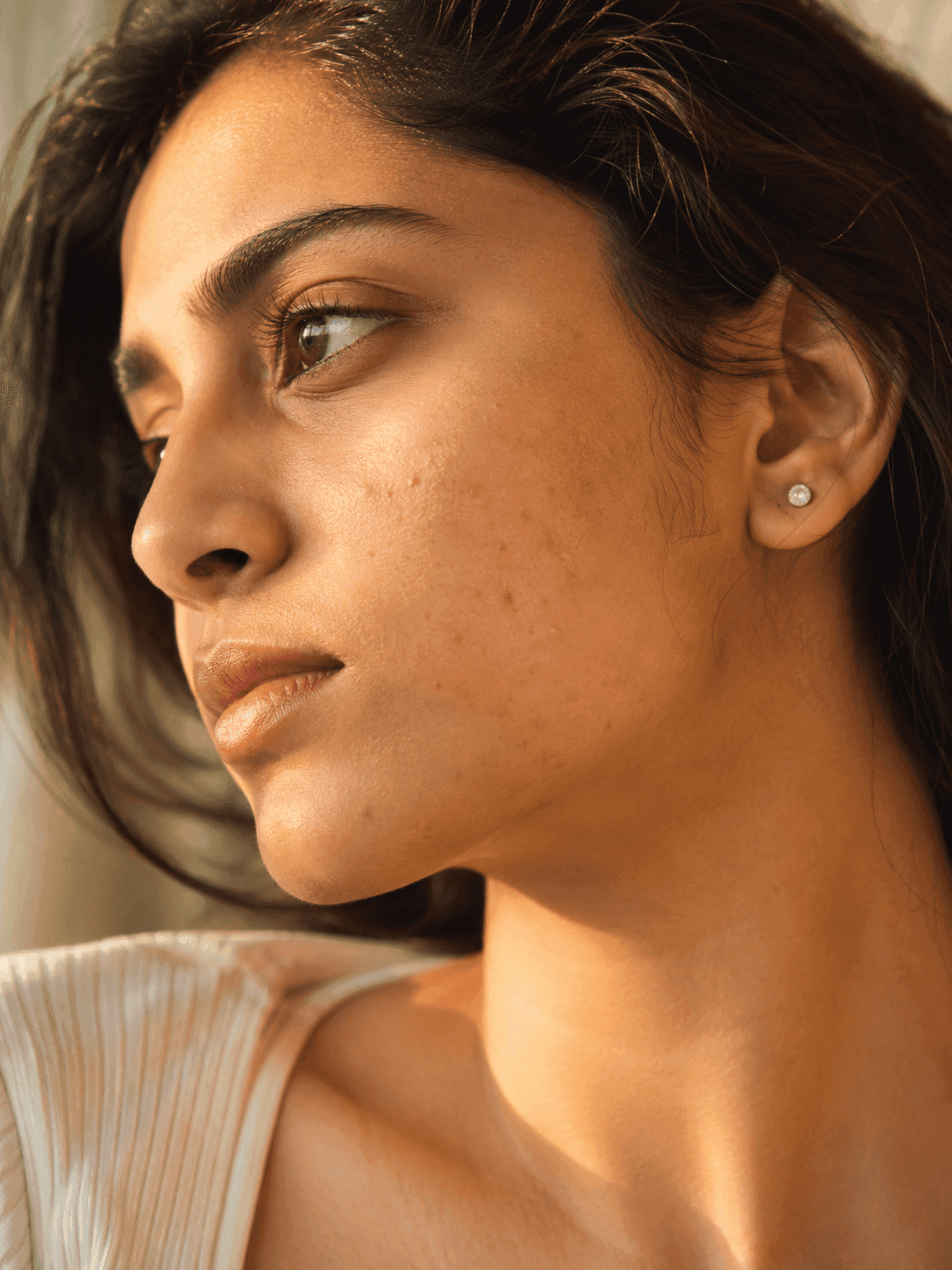
Acne is a common skin condition that occurs when sebaceous glands produce excess oil, leading to clogged pores and bacterial growth. It affects teenagers and adults alike, often impacting self-esteem and confidence. Various factors including hormonal changes, diet, stress, and genetics contribute to acne, which is why a personalised treatment approach delivers better outcomes than a one-size approach.
Four processes interact to produce it, and effective treatment usually has to address more than one of them:
- Increased oil production, driven by androgens. This is why acne often begins in the early teens, and why it can continue or start in adulthood.
- Blockage of the follicle, as skin cells that would normally shed accumulate and combine with sebum. Trapped beneath the surface this forms a whitehead; open to the air it forms a blackhead. The dark colour is not dirt, but a chemical change in the sebum and keratin once exposed.
- Cutibacterium acnes, a bacterium that lives on everyone's skin. Inside a blocked, oil-rich follicle its interaction with sebum and the immune system contributes to inflammation. This is why acne is not simply an infection to be cleared with antibiotics.
- Inflammation, which produces the red, tender lesions most people recognise as pimples. Deeper inflammation forms nodules and cysts, and those carry the greatest risk of permanent scarring.
Because the process is biological rather than hygienic, washing more often, using nose strips, or adding steps to a routine does not address the cause. Heavy or greasy products, including some moisturisers, makeup, hair oils and sunscreens, can make it worse.
What is hormonal acne?
Hormonal acne is triggered by fluctuations in hormone levels and is particularly common in women. Conditions like PCOS (polycystic ovary syndrome) can worsen this type of acne, leading to deep, cystic lesions that are often painful and slow to resolve. Where adult acne appears alongside irregular periods, increased facial hair or thinning scalp hair, your dermatologist may investigate for PCOS. It is worth knowing that women with PCOS do not always have irregular cycles, and that acne along the jawline does not by itself mean a hormonal disorder.
Hormonal acne is typically identified by:
- Location: lower face, jawline, and chin
- Type of lesions: deep, cystic, and painful
- Pattern: flare-ups that coincide with the menstrual cycle
Who is this suitable for?
- Teenagers and adults with active breakouts of any severity
- Blackheads, whiteheads, and inflammatory papules or pustules
- Deep cystic acne, hormonal acne, and PCOS-related breakouts
- No improvement from over-the-counter products
- Acne that is leaving marks or scars
Skin tones we treat
- All Fitzpatrick skin types I through VI
- Specialist experience with South Asian skin types IV to VI
- Protocols adjusted per skin type to minimise PIH risk
What causes acne?
Multiple factors can trigger or worsen acne. Understanding the underlying cause is the first step in choosing the right treatment.
| Cause | How It Contributes |
|---|---|
| Hormonal changes | Increase in androgens stimulates excess sebum production, clogging pores |
| Diet | High-glycemic foods and dairy can worsen breakouts in susceptible individuals |
| Comedogenic products | Skincare or makeup that blocks pores traps oil and bacteria |
| Excess sebum production | Oily skin creates an environment where acne-causing bacteria thrive |
| Stress | Triggers cortisol release, which increases oil production |
| Genetics | Family history increases likelihood of developing acne |
| Medications | Certain medications including steroids and some contraceptives can trigger breakouts |
Finding the right treatment
for your acne
Different presentations require different clinical approaches. This table shows how Skinmatics maps your acne type to the most appropriate treatment protocol.
| Acne Type | Typical Presentation | Skinmatics Treatment |
|---|---|---|
| Comedonal | Blackheads, whiteheads, milia | Comedone extraction, salicylic acid peels |
| Mild to Moderate Inflammatory | Small pustules, papules, surface redness | 532nm gold toning laser, topical treatment plan |
| Severe Inflammatory | Deep papules, tender nodules | Intralesional corticosteroid injections, oral medication |
| Hormonal and Cystic | Jawline breakouts, cyclical flares | Hormonal medication, peel protocol, oral antibiotics |
| Post-Inflammatory Hyperpigmentation | Dark marks remaining after active acne | 532nm gold toning, brightening peel series |
What we offer at Skinmatics
Each treatment below is available across our clinics in Bengaluru and Chennai. Your dermatologist recommends one or a combination based on your skin assessment.
532nm Gold Toning Laser
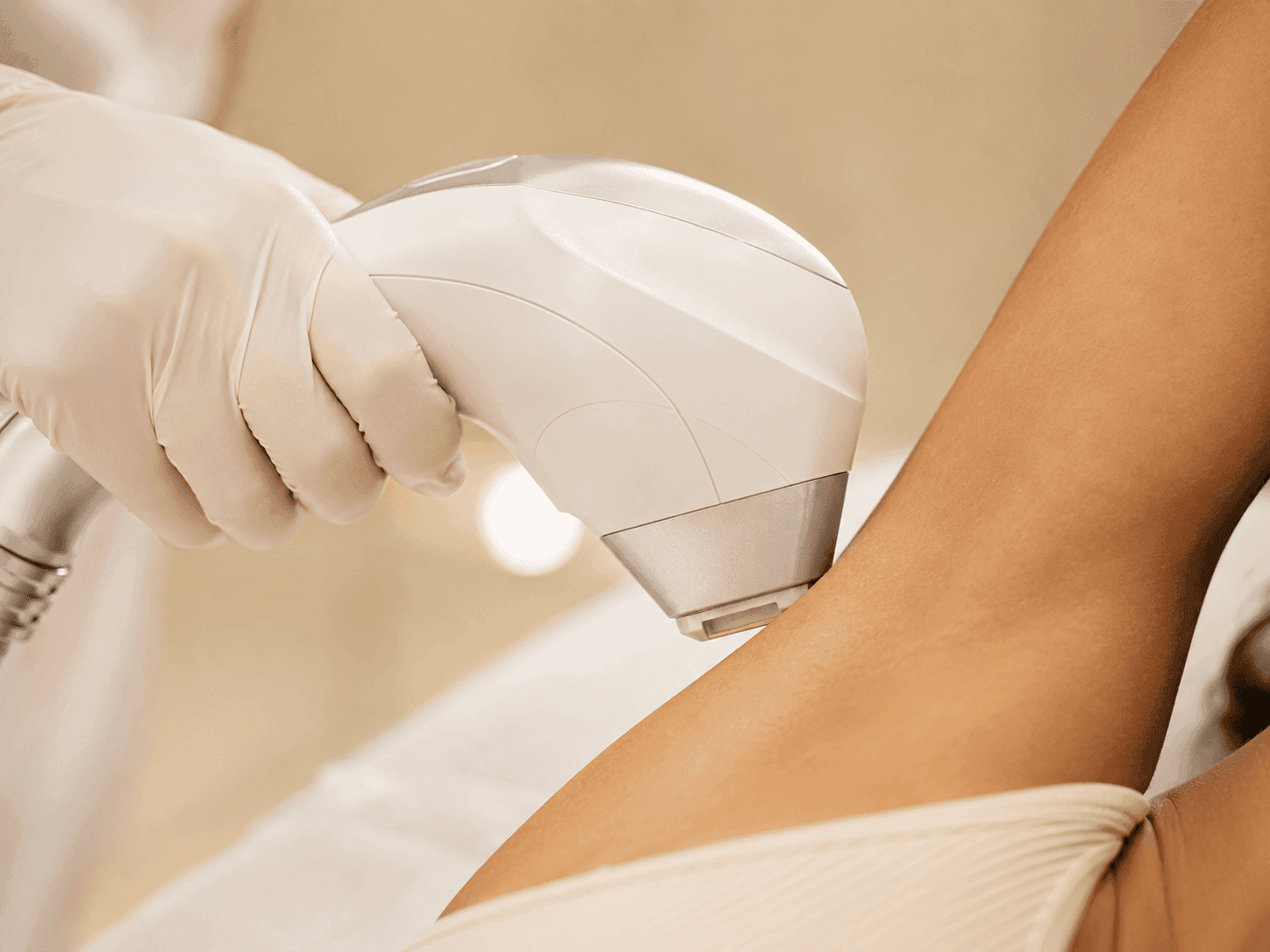
A 532nm wavelength laser that targets the inflammation and redness associated with acne, reducing active lesions and post-acne erythema. Gentle enough for active breakouts, safe for Fitzpatrick types IV to VI.
Laser TechnologySalicylic Acid Peels
An oil-soluble salicylic acid peel that dissolves the sebum and debris clogging pores, reduces inflammation, and prevents future breakouts. A course is typically spaced 2 to 4 weeks apart.
Chemical PeelIntralesional Corticosteroid Injections
For deep cystic lesions unresponsive to topical treatment, a targeted corticosteroid injection reduces swelling and pain within 24 to 48 hours and helps prevent scarring.
Clinical ProcedureComedone Extraction
Manual removal of blackheads and whiteheads using sterile instruments under clinical conditions, unlike home squeezing. Often combined with a chemical peel in the same session to minimise scarring risk.
Manual ProcedureTopical Retinoids
Adapalene or tretinoin, which normalise the way the follicle sheds skin cells, clear existing blackheads and whiteheads, and reduce the formation of new ones. They are foundational to most acne treatment. Your dermatologist introduces them gradually, because dryness, peeling and redness are common in the first weeks, and avoids them in pregnancy.
Medical PrescriptionBenzoyl Peroxide
Reduces both C. acnes and inflammation, and unlike antibiotics it does not encourage bacterial resistance, so it can be used over long periods. Available as a wash or a leave-on gel. It can irritate skin if applied when damp, and it bleaches fabric, so correct application matters.
Medical PrescriptionAntibiotics, Prescribed Sparingly
Topical or oral antibiotics can help inflammatory acne, but they are not a long-term acne treatment. Overuse drives antimicrobial resistance, which matters particularly where antibiotic creams and gels are easy to buy without medical advice. We prescribe them for defined courses and alongside other treatments, rather than on their own.
Medical PrescriptionHormonal Treatment
For appropriately selected women, treatment that addresses androgen activity can be very effective, particularly where acne persists along the jawline and lower face. Blood tests may be advised before starting.
Medical PrescriptionIsotretinoin
One of the most effective treatments available for severe, scarring or treatment-resistant acne, and one of the most surrounded by misinformation. It requires proper medical supervision, monitoring, and strict pregnancy prevention because of its serious risk to a developing fetus. Prescribed and monitored by Skinmatics dermatologists.
Medical PrescriptionBefore, during,
and after your treatment
What happens before your treatment
- Detailed consultation to assess your skin type and acne severity
- Discussion of your medical history, current medications, and any previous treatments
- Avoid sun exposure and tanning for at least 2 weeks before treatment
- Discontinue retinoids or exfoliating products as advised by your dermatologist
- A patch test may be conducted before your first session
What happens during your treatment
- Chemical peel sessions: skin is cleansed, the solution applied for a set duration, then neutralised and removed
- Gold toning follows the peel, using a cooling gel and controlled laser energy on active lesions
- Peel and laser sessions typically take 30 to 60 minutes
- Intralesional injections are brief, targeted procedures taking 10 to 15 minutes
- All procedures performed by your consulting dermatologist
What happens after your treatment
- Mild redness or swelling is normal and typically resolves within a few hours
- Use a gentle cleanser and avoid harsh or active products for several days
- Apply broad-spectrum SPF 30 or higher daily, as treated skin is more sensitive to UV
- Keep skin hydrated with a gentle moisturiser
- Follow-up appointment scheduled to assess progress and adjust your plan if needed
- Skin can look worse before it looks better, particularly when a retinoid is introduced: dryness, peeling, and comedones already forming below the surface becoming visible are all common in the early weeks. Severe irritation is not, and should be reviewed rather than tolerated
Dermatologists who know Indian skin.
Skinmatics has treated over 10,000 patients across 5 clinics in Bengaluru and Chennai. Acne treatment plans are built around each patient's skin type, acne type, and underlying causes, because the same treatment does not work for all acne. Post-treatment skincare guidance and personalised aftercare are included, not added on.
- MBBS and MD Dermatology qualified doctor at every clinic
- USFDA-cleared technologies across all locations
- Specialist experience with Fitzpatrick types IV to VI
- Personalised plans reviewed and signed off by your doctor
- Honest assessments at every consultation, no guaranteed outcome claims
Available at all five clinics
Acne treatment is available at all Skinmatics locations in Bengaluru and Chennai. Book at your nearest clinic or call us to confirm availability at a specific branch.