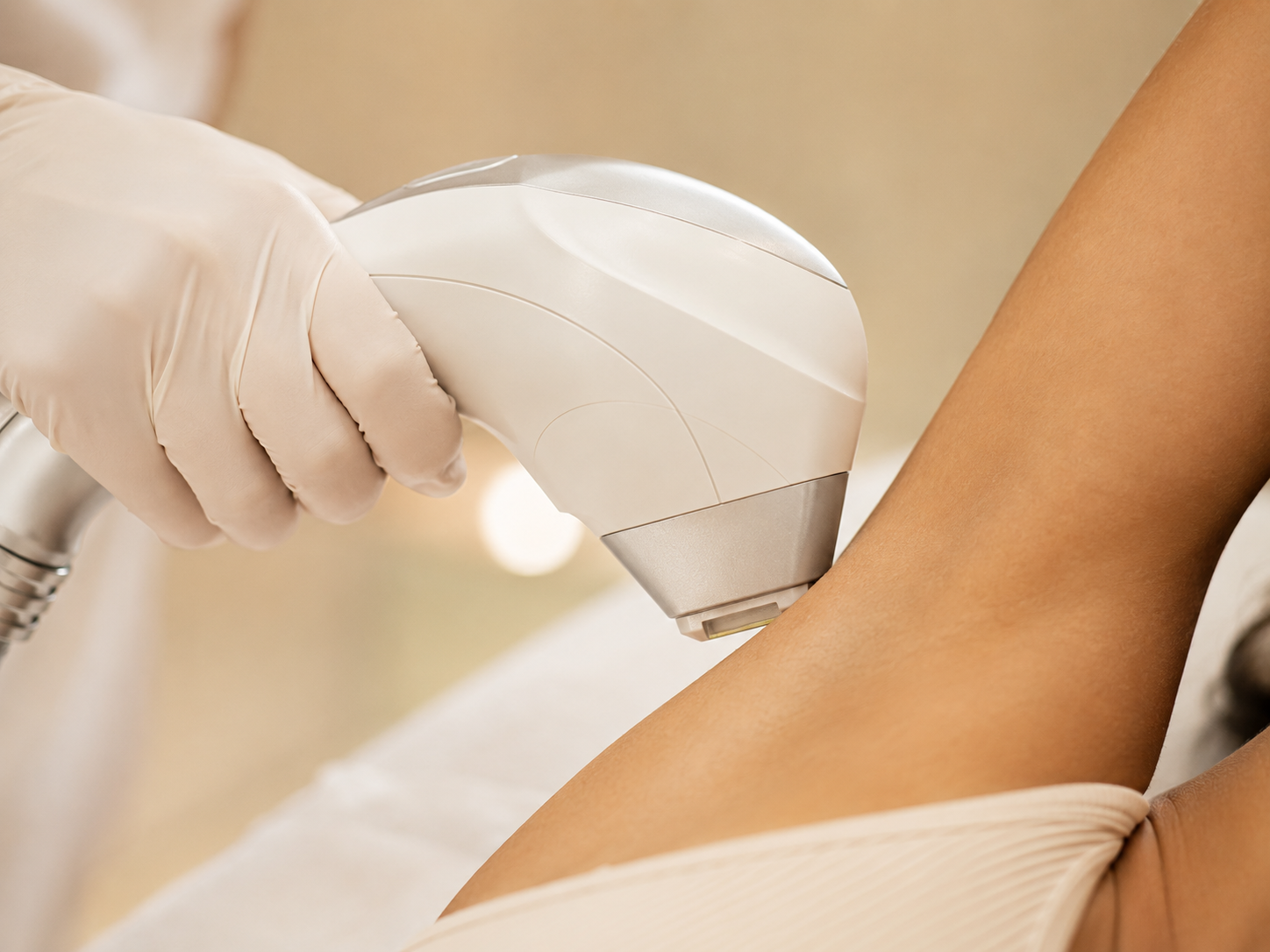
What is acne, and why does it happen?

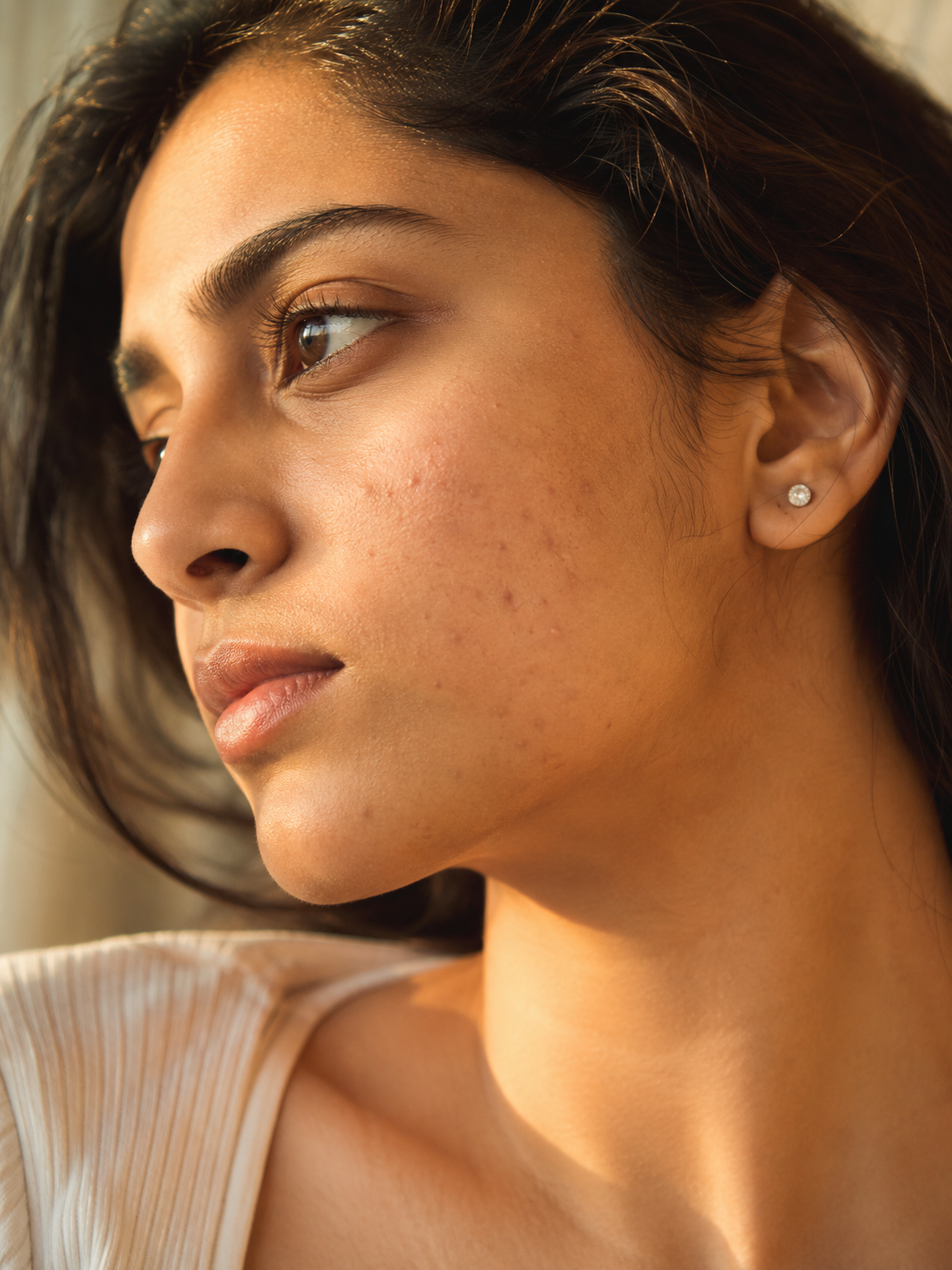
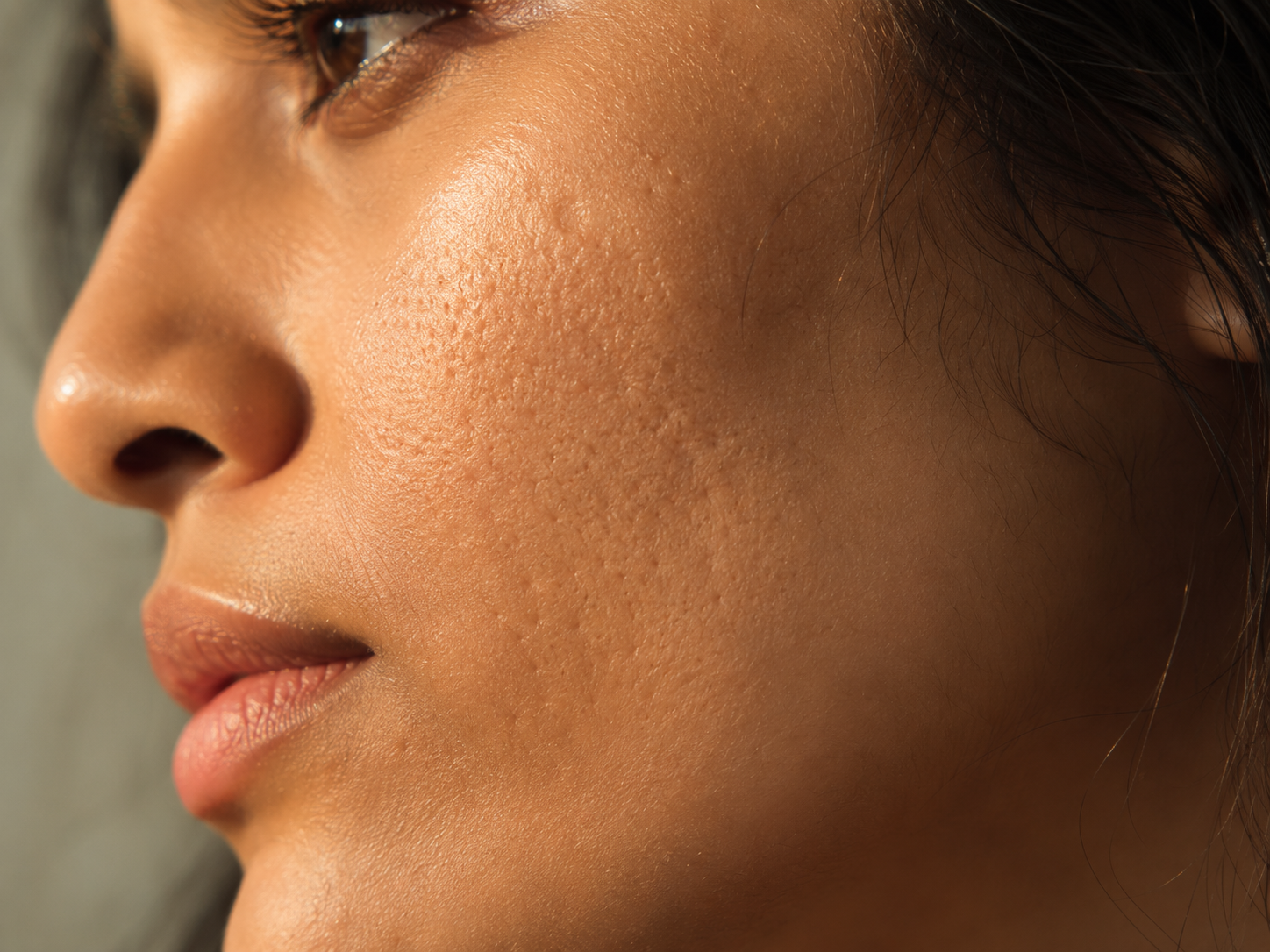
Acne is a common skin condition that occurs when sebaceous glands produce excess oil, leading to clogged pores and bacterial growth. It affects teenagers and adults alike, often impacting self-esteem and confidence. Various factors including hormonal changes, diet, stress, and genetics contribute to acne, which is why a personalised treatment approach delivers better outcomes than a one-size approach.

What is hormonal acne?

Hormonal acne is triggered by fluctuations in hormone levels and is particularly common in women. Conditions like PCOS (polycystic ovary syndrome) can worsen this type of acne, leading to deep, cystic lesions that are often painful and slow to resolve.

Hormonal acne is typically identified by:

  • Location: lower face, jawline, and chin
  • Type of lesions: deep, cystic, and painful
  • Pattern: flare-ups that coincide with the menstrual cycle

Who is this suitable for?

  • Teenagers and adults with active breakouts of any severity
  • Blackheads, whiteheads, and inflammatory papules or pustules
  • Deep cystic acne, hormonal acne, and PCOS-related breakouts
  • No improvement from over-the-counter products
  • Acne that is leaving marks or scars

Skin tones we treat

  • All Fitzpatrick skin types I through VI
  • Specialist experience with South Asian skin types IV to VI
  • Protocols adjusted per skin type to minimise PIH risk

What causes acne?

Multiple factors can trigger or worsen acne. Understanding the underlying cause is the first step in choosing the right treatment.

Cause How It Contributes
Hormonal changes Increase in androgens stimulates excess sebum production, clogging pores
Diet High-glycemic foods and dairy can worsen breakouts in susceptible individuals
Comedogenic products Skincare or makeup that blocks pores traps oil and bacteria
Excess sebum production Oily skin creates an environment where acne-causing bacteria thrive
Stress Triggers cortisol release, which increases oil production
Genetics Family history increases likelihood of developing acne
Medications Certain medications including steroids and some contraceptives can trigger breakouts

Finding the right treatment
for your acne

Different presentations require different clinical approaches. This table shows how Skinmatics maps your acne type to the most appropriate treatment protocol.

Acne Type Typical Presentation Skinmatics Treatment
Comedonal Blackheads, whiteheads, milia Comedone extraction, salicylic acid peels
Mild to Moderate Inflammatory Small pustules, papules, surface redness 532nm gold toning laser, topical treatment plan
Severe Inflammatory Deep papules, tender nodules Intralesional corticosteroid injections, oral medication
Hormonal and Cystic Jawline breakouts, cyclical flares Hormonal medication, peel protocol, oral antibiotics
Post-Inflammatory Hyperpigmentation Dark marks remaining after active acne 532nm gold toning, brightening peel series

What we offer at Skinmatics

Each treatment below is available across our clinics in Bengaluru and Chennai. Your dermatologist recommends one or a combination based on your skin assessment.

01
532nm Gold Toning Laser
A 532nm wavelength laser that targets the inflammation and redness associated with acne, reducing active lesions and post-acne erythema. Gentle enough for active breakouts, safe for Fitzpatrick types IV to VI.
Laser Technology
02
Salicylic Acid Peels
An oil-soluble salicylic acid peel that dissolves the sebum and debris clogging pores, reduces inflammation, and prevents future breakouts. A course is typically spaced 2 to 4 weeks apart.
Chemical Peel
03
Intralesional Corticosteroid Injections
For deep cystic lesions unresponsive to topical treatment, a targeted corticosteroid injection reduces swelling and pain within 24 to 48 hours and helps prevent scarring.
Clinical Procedure
04
Comedone Extraction
Manual removal of blackheads and whiteheads using sterile instruments under clinical conditions, unlike home squeezing. Often combined with a chemical peel in the same session to minimise scarring risk.
Manual Procedure
05
Topical and Oral Medications
Topical retinoids, benzoyl peroxide, and antibiotic gels combined with oral antibiotics or hormonal treatment for moderate to severe acne. Prescribed and monitored by Skinmatics dermatologists.
Medical Prescription

Before, during,
and after your treatment

What happens before your treatment
  • Detailed consultation to assess your skin type and acne severity
  • Discussion of your medical history, current medications, and any previous treatments
  • Avoid sun exposure and tanning for at least 2 weeks before treatment
  • Discontinue retinoids or exfoliating products as advised by your dermatologist
  • A patch test may be conducted before your first session
What happens during your treatment
  • Chemical peel sessions: skin is cleansed, the solution applied for a set duration, then neutralised and removed
  • Gold toning follows the peel, using a cooling gel and controlled laser energy on active lesions
  • Peel and laser sessions typically take 30 to 60 minutes
  • Intralesional injections are brief, targeted procedures taking 10 to 15 minutes
  • All procedures performed by your consulting dermatologist
What happens after your treatment
  • Mild redness or swelling is normal and typically resolves within a few hours
  • Use a gentle cleanser and avoid harsh or active products for several days
  • Apply broad-spectrum SPF 30 or higher daily, as treated skin is more sensitive to UV
  • Keep skin hydrated with a gentle moisturiser
  • Follow-up appointment scheduled to assess progress and adjust your plan if needed

Dermatologists who know Indian skin.

Skinmatics has treated over 10,000 patients across 5 clinics in Bengaluru and Chennai. Acne treatment plans are built around each patient's skin type, acne type, and underlying causes, because the same treatment does not work for all acne. Post-treatment skincare guidance and personalised aftercare are included, not added on.
  • MBBS, MD-qualified dermatologist at every clinic
  • USFDA-cleared technologies across all locations
  • Specialist experience with Fitzpatrick types IV to VI
  • Personalised plans reviewed and signed off by your doctor
  • Honest assessments at every consultation, no guaranteed outcome claims
5
Clinics across Bengaluru and Chennai
10K+
Patients treated since founding
7
MBBS, MD-qualified dermatologists
USFDA
Cleared technologies in every clinic

Available at all five clinics

Acne treatment is available at all Skinmatics locations in Bengaluru and Chennai. Book at your nearest clinic or call us to confirm availability at a specific branch.

Questions about acne treatment

What is the best treatment for acne?
The best treatment depends on the type and severity of acne. Mild comedonal acne responds well to chemical peels and topical medications. Inflammatory acne benefits from gold toning, peels, and prescribed topicals. Deep cystic acne may require intralesional injections and oral medications. Hormonal acne often needs a hormonal evaluation alongside local treatment. A dermatologist assessment is the only way to determine the most effective plan for your specific presentation.
Is hormonal acne different from regular acne?
Yes. Hormonal acne is specifically driven by fluctuating hormone levels, particularly androgens, and tends to appear as deep, painful cysts on the lower face, jawline, and chin. It often flares in the days before menstruation and is more common in women with PCOS or other hormonal imbalances. Treatment typically includes hormonal evaluation alongside local skin treatments, and may involve oral medications that address the hormonal root cause.
Can diet affect acne?
Yes, for some patients. High-glycemic foods such as white bread, sugary drinks, and processed snacks can trigger insulin spikes that increase sebum production and worsen breakouts. Dairy has also been linked to acne in some individuals, possibly due to hormonal content. The relationship between diet and acne is individual, not universal. A dermatologist can help identify whether dietary factors are contributing to your breakouts.
How long does acne treatment take to show results?
This depends on the treatment and the severity of acne. Chemical peels typically show visible improvement after 3 to 4 sessions. Gold toning can reduce active inflammation within a few days of treatment. Oral medications generally take 6 to 12 weeks to produce significant improvement. Most dermatologists recommend assessing progress at 8 to 12 weeks before changing a treatment protocol. Consistency with the prescribed plan is essential for results.
Will acne leave scars?
Not all acne causes scarring, but deep inflammatory lesions and cystic acne carry a higher risk. Picking or squeezing acne significantly increases the chance of scarring by forcing bacteria deeper into the skin and creating additional trauma. Getting active acne under control quickly, and avoiding manipulation of lesions, is the most effective way to reduce scarring risk. If scarring has already occurred, Skinmatics offers dedicated acne scar treatment.
Is it safe to pop or squeeze acne at home?
No. Squeezing acne at home introduces additional bacteria, forces infected material deeper into the follicle, and causes additional trauma that increases scarring risk. If a lesion needs to be extracted, clinical comedone extraction performed by a dermatologist using sterile instruments is the safe alternative. For painful cystic lesions, an intralesional injection resolves the lesion far more effectively than manual pressure.
How can I prevent acne from coming back?
Long-term acne management involves maintaining a consistent skincare routine using non-comedogenic products, avoiding triggering foods if identified, managing stress, and not skipping or stopping prescribed medications without consulting your dermatologist. Maintenance sessions of chemical peels or gold toning every 4 to 8 weeks after completing an initial treatment course help keep breakouts controlled. Regular follow-up with your dermatologist allows early intervention if acne flares again.
Is acne treatment safe for Indian skin?
Yes. Skinmatics' acne treatments are performed by dermatologists experienced in treating Indian skin tones, specifically Fitzpatrick types IV to VI. Darker skin tones are more prone to post-inflammatory hyperpigmentation (PIH), the dark marks left after acne resolves. Treatment protocols at Skinmatics account for this, using wavelengths and peel concentrations calibrated to minimise PIH risk while effectively treating active acne.
What is comedone extraction and is it different from squeezing?
Comedone extraction is a clinical procedure performed by a dermatologist using a sterile comedone extractor instrument. The skin is prepared beforehand, often following a peel that softens the plug within the pore, making extraction cleaner and more complete. Unlike home squeezing, clinical extraction does not introduce external bacteria, does not rupture the follicle wall, and significantly reduces the risk of inflammation and post-extraction scarring.
What is gold toning and how does it help with acne?
Gold toning uses a laser at a wavelength of 532nm to target the inflammation and redness associated with acne. The 532nm wavelength is absorbed by the blood vessels feeding inflamed lesions, reducing redness and swelling. It also has an antibacterial effect on P. acnes, the bacteria involved in inflammatory acne. It is a gentle, non-ablative treatment that can be used on active breakouts and is safe for darker skin tones when performed with appropriate parameters.
Can I wear makeup after acne treatment?
For the first 24 to 48 hours after a chemical peel or gold toning session, it is advisable to avoid makeup to allow the skin to recover. After this period, makeup can be resumed, but only products that are non-comedogenic and oil-free. If you are unsure which products are suitable, your dermatologist can recommend options that will not interfere with your treatment or trigger new breakouts.
What is the cost of acne treatment in Bengaluru?
The cost depends on the treatment or combination of treatments recommended and the number of sessions required. A single chemical peel session, a course of peels, gold toning sessions, or a comprehensive treatment plan involving medications will each have different pricing. An accurate cost estimate is provided at your initial consultation once your skin has been assessed and a treatment plan has been designed.
Ready to take the first step?
Book a Consultation Chat on WhatsApp
© 2026 Skinmatics. All rights reserved. Skinmatics Dermatology · Crafted by Arun ↗