What is pigmentation?

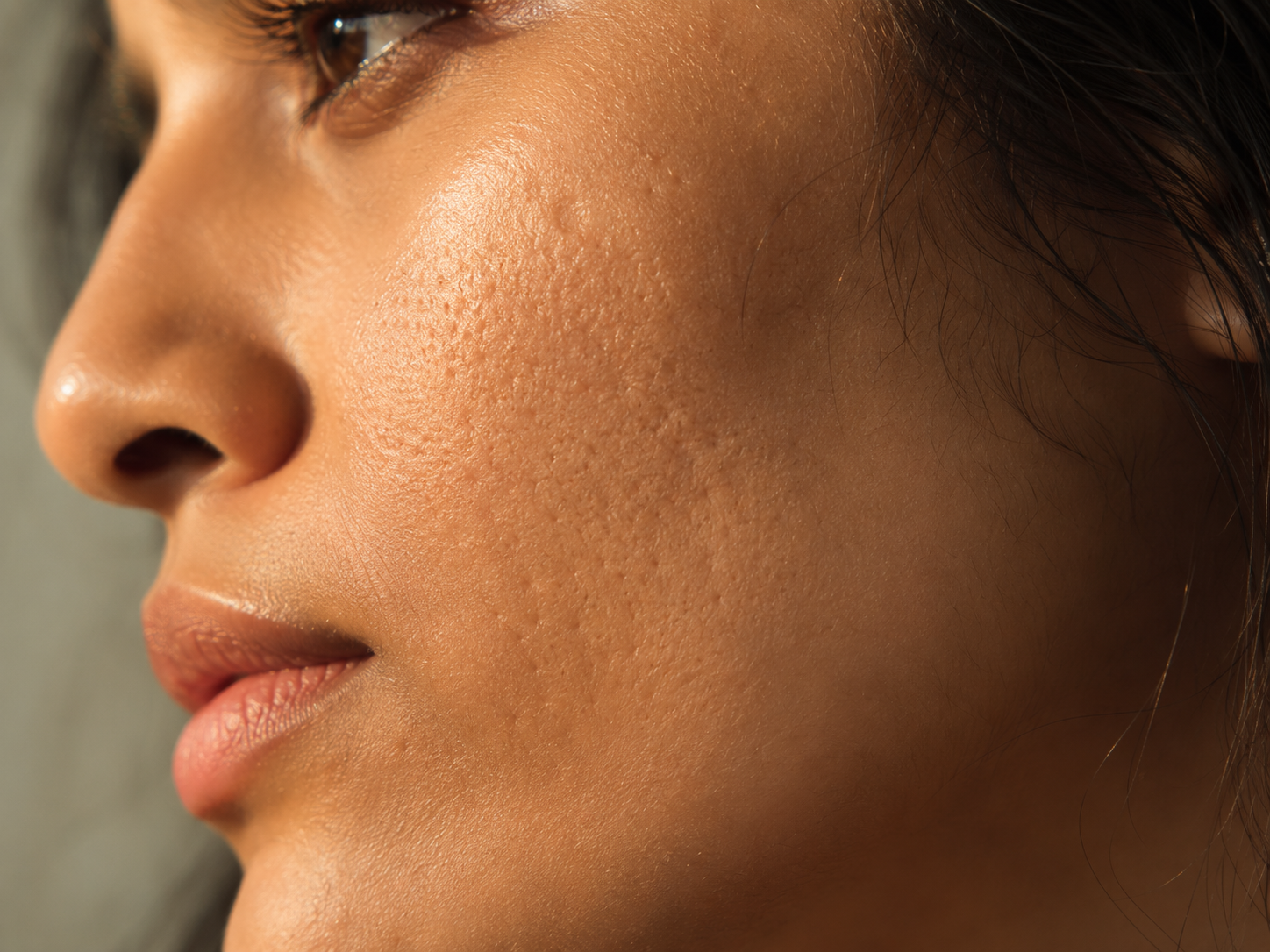
Pigmentation is a common skin condition characterised by dark patches or uneven skin tone caused by excess melanin production. Melanin is the pigment that gives skin its colour, and when certain cells produce too much of it in response to triggers such as sun exposure, inflammation, or hormonal changes, visible dark patches appear on the skin.

While pigmentation is generally harmless, it can significantly affect appearance and confidence. It is particularly common in Indian skin tones, where the skin produces melanin more readily in response to any form of inflammation or UV exposure.

Who is this suitable for?

  • Melasma, the hormonally-driven mask-like facial pattern
  • Sunspots, age spots, and freckles
  • Post-acne dark marks and uneven skin tone
  • Any patient where the cause and depth of pigmentation has been assessed by a dermatologist

Skin tones we treat

  • All Fitzpatrick skin types I through VI
  • Specialist experience with South Asian skin types IV to VI
  • Protocols adjusted per skin type to minimise PIH risk

What causes pigmentation?

Multiple factors can trigger or worsen pigmentation. Understanding the underlying cause is the first step in choosing the right treatment.

Cause How It Contributes
Sun exposure UV radiation stimulates melanin production as a protective response, causing sunspots, tanning, and uneven tone
Post-inflammatory hyperpigmentation (PIH) Dark marks left after any skin inflammation including acne, injury, or rashes, particularly common in Indian skin tones
Hormonal changes Melasma, the mask-like pattern of pigmentation on the face, is driven by oestrogen and progesterone, commonly triggered by pregnancy or contraceptive pills
Genetics Some individuals are predisposed to freckles and pigmentation regardless of sun exposure
Medications Certain medications including some antibiotics, chemotherapy drugs, and antimalarials can trigger pigmentation as a side effect

The Spectra laser:
three wavelengths, one device

The Spectra Q-Switched laser offers multiple wavelengths, each targeting pigmentation at a different depth. The right wavelength, or combination, is selected based on your specific presentation.

Wavelength Target Best For
1064nm Deeper melanin deposits and dermal pigmentation Melasma, deeper dark patches, suitable for all skin types including dark tones
532nm Superficial pigmentation in the epidermis Sunspots, age spots, superficial freckles, brighter complexion
660nm Targeted freckle pigment Erasing individual freckles and localised superficial pigmentation

What we offer at Skinmatics

Each treatment below is available across our clinics in Bengaluru and Chennai. Your dermatologist recommends one or a combination based on your skin assessment.

01
Glycolic Acid Peel
An alpha-hydroxy acid (AHA) peel that exfoliates the outermost layer of skin, removing dead, pigmented cells and promoting faster cell turnover. Effective for superficial pigmentation, post-acne marks, and dull, uneven skin. Typically performed in a series spaced 2 to 4 weeks apart.
Chemical Peel
02
Retinol Peel (Yellow Peel)
Contains retinol (vitamin A), which penetrates deeply to enhance cell renewal and target pigmentation, while smoothing fine lines and improving overall texture. Suitable for moderate pigmentation and combined anti-ageing and brightening effects.
Chemical Peel
03
TCA Peel
A medium-depth chemical peel that penetrates more deeply than glycolic or retinol peels, prompting regeneration of fresher, more evenly toned skin. Effective for stubborn pigmentation including deeper melasma and persistent sunspots. Peeling typically occurs over 5 to 7 days.
Chemical Peel
04
Cosmelan Peel
A professional depigmentation treatment that inhibits tyrosinase, the enzyme responsible for melanin production, reducing pigmentation at its source. The mask is applied in clinic and left on for 8 to 12 hours before removal at home. Safe for all skin types.
Depigmentation
05
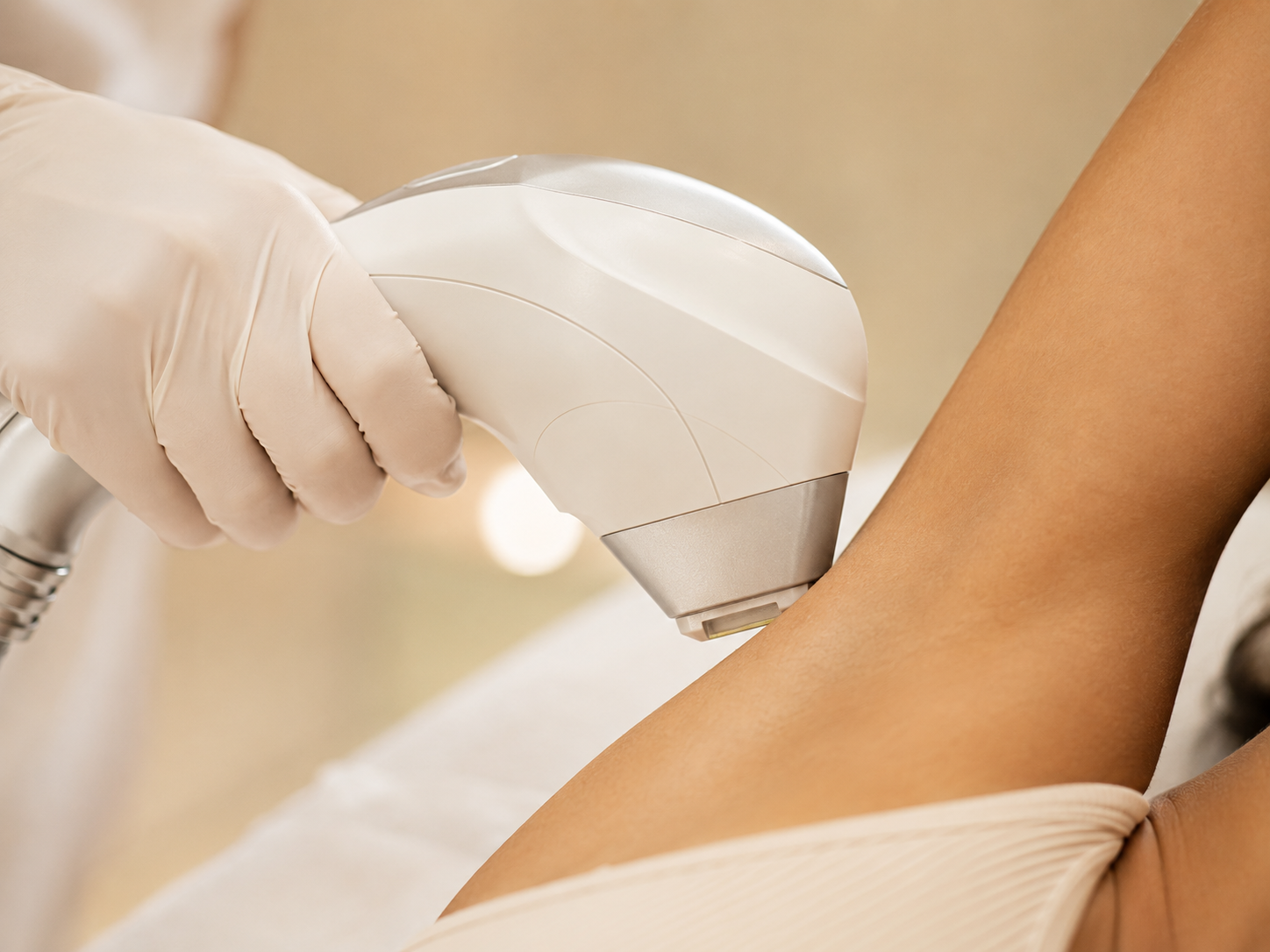
Spectra Q-Switched Laser
A non-ablative Q-Switched Nd:YAG laser offering three wavelengths, each targeting pigmentation at a different depth. Does not remove the surface layer of skin, making it suitable for Indian skin tones with a lower risk of post-treatment pigmentation. Sessions last 30 minutes to an hour.
Laser Toning

Before, during,
and after your treatment

What happens before your treatment
  • Consultation to assess your skin type, pigmentation concerns, and medical history
  • Avoid sun exposure, tanning beds, and retinoids for at least 2 weeks before treatment
  • Use a gentle cleanser and any prescribed pre-treatment product in the lead-up to your session
  • A patch test may be performed before your first session
What happens during your treatment
  • Cosmelan: skin is cleansed, the mask applied in clinic and left 8 to 12 hours, removed at home
  • Spectra laser: cooling gel applied, laser passed over the treatment area, 30 minutes to an hour
  • Chemical peels: skin cleansed, peel solution applied for a set duration, then neutralised and removed
  • Minimal discomfort across all procedures
What happens after your treatment
  • Some redness or mild swelling is normal; cool compresses can soothe the area
  • Use a gentle cleanser and avoid harsh or active products for several days
  • Apply broad-spectrum SPF 30 or higher daily, without exception
  • Keep skin hydrated with a gentle moisturiser
  • Follow-up appointment scheduled to assess progress and plan further sessions

Dermatologists who know Indian skin.

Skinmatics has treated over 10,000 patients across 5 clinics in Bengaluru and Chennai. Pigmentation treatment plans are customised to each patient's skin type, pigmentation type, and underlying cause. The clinic uses advanced technology including the Spectra Q-Switched laser and Cosmelan, with treatment parameters calibrated for Indian skin tones.

  • MBBS, MD-qualified dermatologist at every clinic
  • Spectra Q-Switched laser and Cosmelan available at every clinic
  • Specialist experience with Fitzpatrick types IV to VI
  • Personalised plans reviewed and signed off by your doctor
  • Honest assessments at every consultation, no guaranteed outcome claims
5
Clinics across Bengaluru and Chennai
10K+
Patients treated since founding
7
MBBS, MD-qualified dermatologists
USFDA
Cleared technologies in every clinic

Available at all five clinics

Pigmentation treatment is available at all Skinmatics locations in Bengaluru and Chennai. Book at your nearest clinic or call us to confirm availability at a specific branch.

Questions about pigmentation treatment

Is laser treatment safe for pigmentation on Indian skin?
Yes, when performed by a qualified dermatologist using appropriate settings. The Spectra Q-Switched laser used at Skinmatics is safe for Indian skin tones across its wavelength range. The 1064nm wavelength is particularly well suited to darker skin types as it targets deeper pigment without disrupting the epidermis. Treatment parameters are calibrated for each patient's skin tone to minimise the risk of post-treatment hyperpigmentation, a specific consideration for Fitzpatrick types IV to VI.
What is the difference between melasma and regular dark spots?
Melasma is a specific type of pigmentation driven by hormonal influences, typically appearing as symmetrical, mask-like patches on the cheeks, forehead, and upper lip. It is more common in women and is frequently triggered or worsened by sun exposure, pregnancy, and hormonal contraceptives. Regular dark spots such as sunspots and age spots are caused by cumulative UV exposure and typically appear as distinct, discrete marks rather than diffuse patches. The two require different treatment approaches, which is why a clinical assessment is important before choosing a treatment.
How long does it take to see results from pigmentation treatment?
Results vary by treatment type. Cosmelan can produce visible improvement within one to two weeks of the initial application, making it one of the faster-acting options. Laser toning typically shows improvement after 2 to 4 sessions, with the most significant change apparent 4 to 6 weeks after the course. Chemical peels show gradual improvement over a series of sessions. All treatments require consistent sun protection to maintain and build on results, as UV exposure can reverse progress.
How many sessions are needed for pigmentation treatment?
The number of sessions depends on the severity of pigmentation, the treatment chosen, and your skin's response. Laser toning sessions are typically performed every 2 to 4 weeks, with most patients requiring 4 to 8 sessions for significant improvement. Chemical peels are usually performed in a series of 4 to 6 sessions. Cosmelan is often a single application followed by a home-care maintenance regimen. Your dermatologist will outline a realistic treatment plan and number of sessions at your consultation.
What is the downtime after pigmentation treatment?
Downtime varies by treatment. Laser toning with the Spectra has minimal downtime: some redness for a few hours after each session, with most patients resuming normal activities the same day. Chemical peels cause mild redness and peeling for several days, with heavier peels such as TCA causing more visible peeling for 5 to 7 days. Cosmelan has minimal procedural downtime, though the home-care phase involves managing some redness and peeling as the mask works. Sun protection is mandatory across all treatments during and after the course.
Can pigmentation be permanently removed?
Pigmentation can be significantly reduced and, in some cases, cleared with treatment. However, whether it returns depends on the cause. Sunspots and age spots can be effectively cleared and, with consistent sun protection, do not necessarily return. Melasma is more likely to recur because it is hormonally driven: triggers such as sun exposure and hormonal fluctuations can re-activate melanin production even after successful treatment. Long-term maintenance, including daily sunscreen and periodic maintenance sessions, is the most effective way to manage pigmentation over time.
Who is a good candidate for pigmentation treatment?
Most people with visible pigmentation concerns, including melasma, sunspots, age spots, freckles, and post-inflammatory hyperpigmentation from acne or skin injury, are good candidates for treatment. A dermatologist assessment is essential to determine the pigmentation type and depth and match the right treatment to the specific presentation. Patients who are pregnant, on certain medications, or have active skin infections may need to delay or modify treatment.
What is the Cosmelan peel and how is it different from other peels?
Cosmelan is a professional depigmentation treatment that works by inhibiting tyrosinase, the enzyme responsible for melanin production. Unlike glycolic or TCA peels that primarily remove pigmented surface cells, Cosmelan targets the melanin production process itself, reducing pigmentation at its source. The Cosmelan mask is applied in the clinic and left on for 8 to 12 hours before being removed at home, followed by a prescribed home-care regimen. It is safe for all skin types and is particularly effective for melasma and stubborn hyperpigmentation that has not responded to other treatments.
How can I prevent pigmentation from coming back?
Daily use of a broad-spectrum SPF 30 or higher sunscreen is the single most important step in preventing pigmentation from returning or worsening. UV exposure is the primary trigger for most types of pigmentation, including melasma and sunspots. Additional preventive measures include wearing protective clothing, avoiding peak sun hours, and using a gentle skincare routine that does not irritate or inflame the skin. Hormonal triggers should be discussed with your dermatologist if melasma is your concern, as adjusting contraceptive methods or managing hormonal health can make a significant difference.
What is the Spectra Q-Switched laser and how does it work?
The Spectra Q-Switched laser is an Nd:YAG laser that delivers energy in rapid pulses, shattering pigment particles in the skin without damaging surrounding tissue. The fragmented pigment is then cleared by the body's immune system over the following weeks. The Spectra offers three wavelengths: 1064nm for deeper pigmentation and melasma, 532nm for superficial sunspots and age spots, and 660nm for freckle removal. The appropriate wavelength or combination is selected based on the type and depth of pigmentation being treated.
Is pigmentation treatment suitable for all skin tones?
Yes. Skinmatics treats patients across all skin tones, including the darker Fitzpatrick types IV to VI most common among Indian patients. Darker skin tones require careful treatment selection and parameter calibration because they are more prone to post-inflammatory hyperpigmentation: a situation where the treatment itself triggers temporary darkening if not performed correctly. The Spectra laser's 1064nm wavelength is specifically suited to darker tones, and Cosmelan is labelled as safe for all skin types.
What is the cost of pigmentation treatment in Bengaluru?
The cost depends on the treatment or combination of treatments recommended, the number of sessions required, and the area being treated. An accurate cost estimate is provided at your initial consultation once your pigmentation type and severity have been assessed and a treatment plan designed. Booking a consultation is the first step to understanding what your treatment will involve and what it will cost.
Ready to take the first step?
Book a Consultation Chat on WhatsApp
© 2026 Skinmatics. All rights reserved. Skinmatics Dermatology · Crafted by Arun ↗