What is a hair transplant?

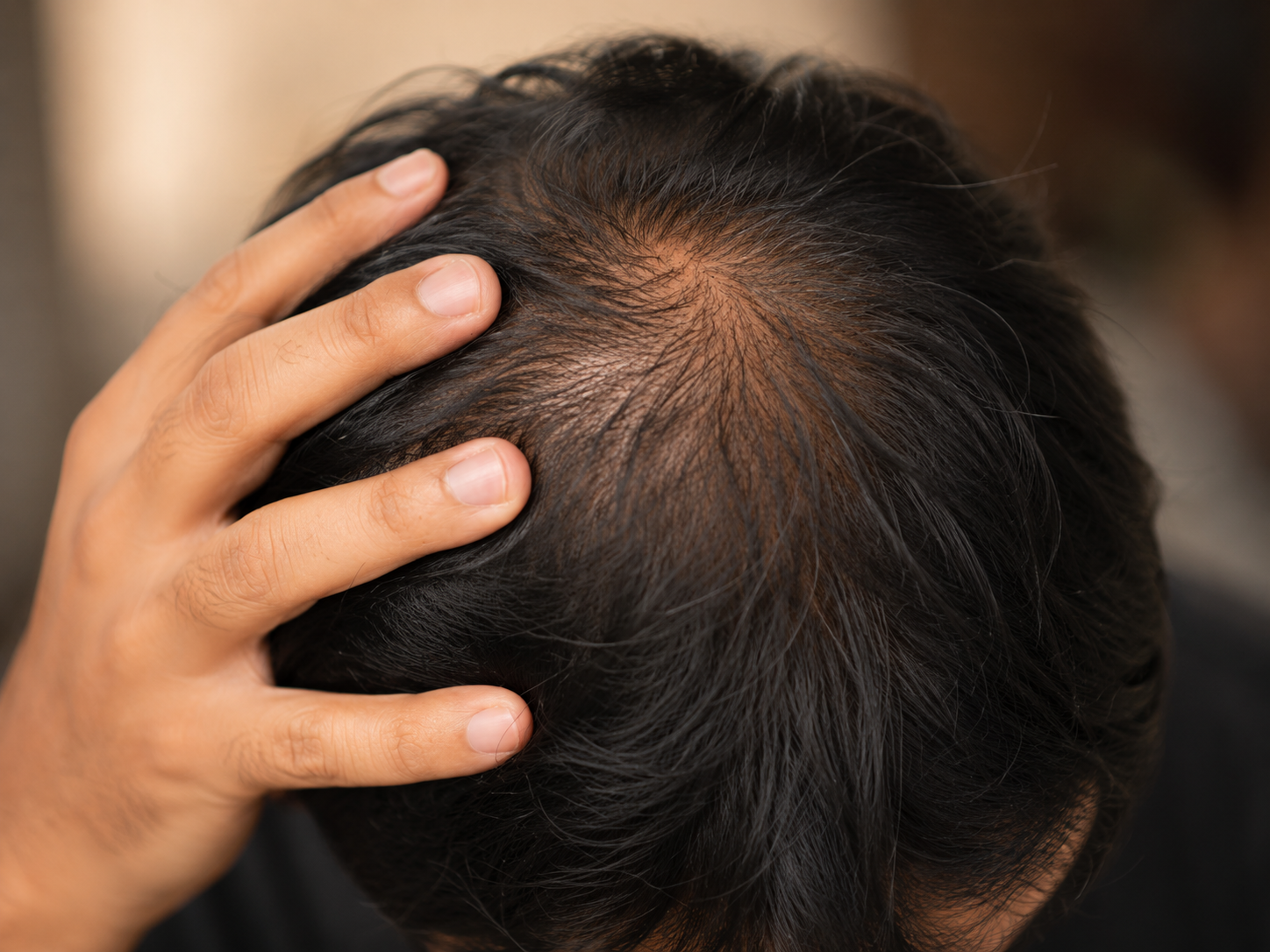
A hair transplant is a surgical procedure that involves moving hair follicles from a donor area, typically the back and sides of the scalp, to thinning or balding areas. The transplanted follicles are genetically resistant to hair loss and continue to grow naturally in their new location, providing a long-term solution to hair loss.

Unlike non-surgical treatments that work on existing follicles, a hair transplant physically restores hair in areas where follicles have been permanently lost. Results improve progressively and are typically visible within 6 to 12 months after the procedure.

Who is this suitable for?

  • Permanent, stable pattern hair loss with adequate donor hair
  • A clinical assessment confirming suitable donor density
  • Not recommended for active or rapidly progressing hair loss
  • Reversible causes (nutritional, hormonal) addressed first where relevant

Skin tones we treat

  • All Fitzpatrick skin types I through VI
  • Specialist experience with South Asian skin types IV to VI
  • Protocols adjusted per skin type to minimise PIH risk

What causes hair loss?

Understanding the underlying cause is essential before considering a hair transplant, as some forms of hair loss respond better to non-surgical treatment first.

Cause How It Contributes
Genetics Androgenetic alopecia, or pattern hair loss, is the most common cause in both men and women
Hormonal changes Fluctuating hormones, including those related to PCOS, pregnancy, and menopause, can trigger or worsen hair loss
Nutritional deficiencies Iron, vitamin D, and B12 deficiencies are frequently seen in Indian patients presenting with hair thinning
Stress Physical or emotional stress can push hair follicles into a shedding phase
Medical conditions Thyroid disorders and autoimmune conditions can cause hair loss
Medications Certain medications including blood pressure drugs, antidepressants, and chemotherapy agents can cause hair shedding
Environmental factors Pollution and hard water can contribute to hair weakening over time

FUE vs FUT:
what is the difference?

Both techniques move hair follicles from a donor area to areas of hair loss. The key difference is how follicles are extracted from the donor site. Your dermatologist will discuss which option is most appropriate at your consultation.

FUE (Follicular Unit Extraction) FUT (Follicular Unit Transplantation)
How follicles are extracted Individual follicular units are extracted one by one using a small circular punch tool A strip of scalp is surgically removed from the donor area and dissected into individual grafts
Scarring Tiny circular scars at each extraction point, not visible with short hair A linear scar at the donor site, typically hidden within the hairline
Recovery Faster recovery, less post-procedure discomfort Slightly longer recovery due to the sutured donor site
Suitable for Patients preferring shorter hairstyles, smaller graft counts Patients requiring higher graft counts in a single session
Procedure time 4 to 8 hours depending on graft count Generally faster for high graft count procedures

Before, during,
and after your procedure

What happens before the procedure
  • Comprehensive evaluation of your hair loss pattern and scalp condition
  • Discussion of medical history, donor density assessment, and graft count estimate
  • Avoid blood-thinning medications such as aspirin before the procedure
  • Refrain from alcohol for at least one week before the procedure
What happens during the procedure
  • Local anaesthesia administered to both donor and recipient areas
  • FUE: follicles extracted one by one with a punch tool, then implanted
  • FUT: a strip of scalp removed, dissected into grafts, then implanted
  • Full procedure takes 4 to 8 hours depending on graft count, patients remain awake throughout
What happens after the procedure
  • Avoid touching or scratching the treated area in the days following
  • Gentle hair washing may begin after a few days, as advised
  • Some redness and scabbing at recipient sites is normal, resolving in 10 to 14 days
  • Regular follow-up appointments to monitor healing and hair growth

What to expect,
month by month

TimelineWhat to Expect
Week 1 to 2Scabbing at recipient sites, mild swelling, avoid touching the area
Week 2 to 4Transplanted hairs begin to shed (this is normal and expected)
Month 1 to 3Resting phase with minimal visible growth
Month 3 to 6New hair growth begins to appear
Month 6 to 12Significant coverage visible, hair continues to thicken
Month 12+Full results with natural density and texture

Dermatologists who know Indian skin.

Skinmatics has treated over 10,000 patients across 5 clinics in Bengaluru and Chennai. Hair transplant procedures are performed by MBBS, MD-qualified dermatologists with tailored expertise in hairline design and graft placement. A holistic assessment is conducted before every procedure to ensure transplant is the right intervention and that donor and recipient areas are planned for natural-looking, long-lasting results.


  • MBBS, MD-qualified dermatologist at every clinic
  • FUE and FUT both available, matched to your case
  • Holistic assessment before every transplant recommendation
  • Personalised plans reviewed and signed off by your doctor
  • Honest assessments at every consultation, no guaranteed outcome claims
5
Clinics across Bengaluru and Chennai
10K+
Patients treated since founding
7
MBBS, MD-qualified dermatologists
USFDA
Cleared technologies in every clinic

Available at all five clinics

Hair transplant is available at all Skinmatics locations in Bengaluru and Chennai. Book at your nearest clinic or call us to confirm availability at a specific branch.

Questions about hair transplant

What is a hair transplant?
A hair transplant is a surgical procedure that moves hair follicles from a donor area, usually the back of the head where hair is resistant to balding, to thinning or balding areas. It provides a long-term solution to hair loss by physically restoring hair in areas where follicles have been permanently lost. The transplanted follicles continue to grow naturally in their new location.
What types of hair transplant methods are available at Skinmatics?
Skinmatics performs FUE (Follicular Unit Extraction) and FUT (Follicular Unit Transplantation). FUE extracts individual follicular units one by one using a small punch tool, leaving tiny circular scars that are not visible with short hair. FUT involves removing a strip of scalp from the donor area, dissecting it into individual grafts, and implanting them. The appropriate technique for each patient is determined at a clinical assessment based on hair loss extent, donor characteristics, and lifestyle.
Is a hair transplant painful?
Local anaesthesia is used during the procedure to minimise discomfort. Patients may feel mild pressure or tugging during extraction and implantation but should not experience significant pain once the anaesthesia is effective. The anaesthetic injections themselves may cause brief discomfort. After the procedure, some patients experience mild pain or soreness at the donor and recipient sites, which can be managed with prescribed medication.
What is the recovery time for a hair transplant?
Most patients can return to normal daily activities within a few days of the procedure. Strenuous physical activity should be avoided for at least two weeks. Initial hair growth is typically noticeable within 3 to 4 months. Full recovery of the donor site for FUT, where sutures are used, takes approximately two weeks. The transplanted hair continues to grow and thicken through 12 months and beyond.
Are the results of a hair transplant permanent?
Yes. The transplanted hair follicles are taken from the donor area where hair is genetically resistant to the hormonal process that causes pattern baldness. These follicles retain that resistance in their new location and, in most patients, continue to grow for life. However, hair loss can continue in non-transplanted areas over time, which is why careful planning of hairline and density at the time of transplant is important for long-term results.
When will I see results after a hair transplant?
Transplanted hairs typically shed 2 to 4 weeks after the procedure as part of the normal growth cycle adjustment. New growth begins 3 to 4 months after the procedure. Most patients see meaningful coverage at 6 to 9 months. Full results with natural density and texture are usually visible at 12 months and may continue to improve beyond that.
How many grafts will I need?
Graft requirements depend on the extent of hair loss, the density desired, and the size of the recipient area. An accurate graft estimate requires a clinical scalp assessment, which is conducted at your initial consultation. Your dermatologist will evaluate your donor density, map your hair loss pattern, and provide a personalised estimate of the grafts required and the results achievable.
Can women get hair transplants?
Yes. Women with pattern hair loss, traction alopecia from tight hairstyles, or hairline recession can be suitable candidates. However, female hair loss is more commonly caused by reversible factors such as PCOS, thyroid dysfunction, iron deficiency, or hormonal changes. These should be investigated and treated before a transplant is considered. At Skinmatics, all female patients undergo a thorough assessment to determine the most appropriate approach.
What is the cost of hair transplant in Bengaluru?
The cost of hair transplant varies based on the technique used, the number of grafts required, and the complexity of the procedure. An accurate quote is provided following your initial consultation once graft count and technique have been determined. Booking a consultation is the first step to understanding what your treatment will involve and what it will cost.
Does the transplanted hair look natural?
When performed by an experienced team with careful attention to hairline design, follicle angle, and placement direction, hair transplant results are indistinguishable from natural hair. Single follicular unit grafts placed at the hairline and finer grafts used in the frontal zone create a natural-looking result. The appearance continues to improve over 12 months as transplanted hair grows, thickens, and integrates with surrounding hair.
What should I avoid after a hair transplant?
In the first two weeks, avoid touching or scratching the recipient area, direct sun exposure on the scalp, strenuous exercise that causes sweating, swimming, and alcohol. Wash your hair gently as advised by your dermatologist, starting a few days after the procedure. Long-term, sun protection on the scalp is advisable. Your dermatologist will provide specific post-procedure instructions tailored to your case.
Can I combine a hair transplant with PRP therapy?
Yes. Many patients benefit from combining PRP (Platelet-Rich Plasma) therapy with a hair transplant. PRP uses growth factors from your own blood to support healing and stimulate the transplanted follicles, which may promote faster and denser hair growth. Some patients also use PRP as a maintenance treatment after transplant to slow the progression of hair loss in non-transplanted areas. Your dermatologist can advise whether combining the two is appropriate for your case.
Ready to take the first step?
Book a Consultation Chat on WhatsApp
© 2026 Skinmatics. All rights reserved. Skinmatics Dermatology · Crafted by Arun ↗